
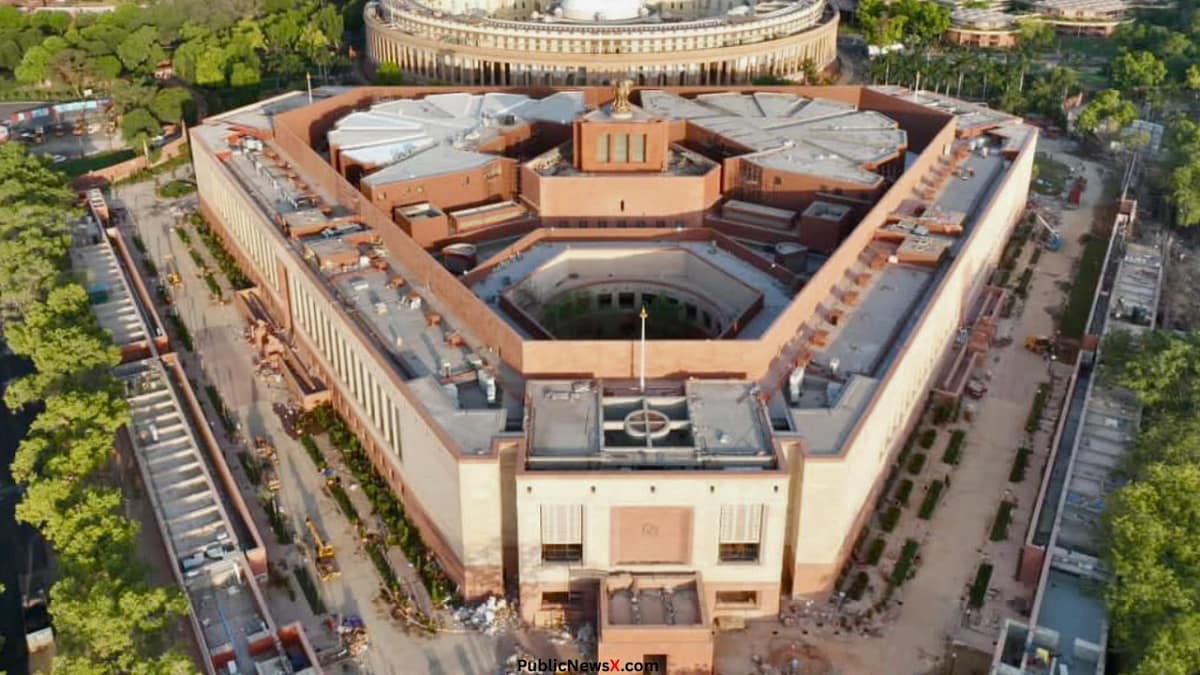
New Delhi: The second phase of the 2026 Budget Session of the Parliament of India is scheduled to begin on March 9, 2026, and will continue until April 2, 2026.
The Budget Session for the year began on January 28 with the President’s address and the presentation of the Union Budget 2026-27, and the entire session is expected to include around 30 sittings spread over approximately 65 days, according to parliamentary records.
Political tensions are expected to dominate the upcoming phase as the ruling National Democratic Alliance and opposition parties prepare for intense exchanges inside both Houses.
Reports indicate that members of the Indian National Congress and other opposition groups have coordinated their parliamentary strategy to challenge the government on multiple policy and procedural issues.
One of the most significant developments ahead of the session is the reported no-confidence motion moved against Om Birla, with opposition parties alleging that parliamentary procedures were not applied impartially during earlier sittings.
The motion is said to have received support from more than 100 Members of Parliament representing several opposition formations, including parties associated with the broader INDIA alliance, reflecting continuing friction between the government and opposition benches.
Both the ruling and opposition parties have issued three-line whips directing their Lok Sabha MPs to remain present during crucial proceedings, particularly during the opening days of the session from March 9 to 11.
Party leaderships have emphasised the importance of maintaining discipline among legislators to ensure numerical strength during possible voting events and to avoid last-minute absences during contentious debates.
The legislative agenda for the second phase includes several economic and regulatory proposals that remained pending from the first part of the session.
The Union government is expected to move forward with the proposed New Seed legislation, which aims to create a structured regulatory framework for seed production, certification, distribution, and quality control.
The proposed law is also expected to include stricter penalty provisions, including possible imprisonment and financial sanctions for violations related to seed regulation, a move that policymakers argue will protect farmers’ interests and improve agricultural productivity.
Another important legislative proposal likely to be tabled is the amendment to the framework governed by the Insolvency and Bankruptcy Board of India and the Insolvency and Bankruptcy Code.
The government has indicated that the amendments are intended to improve the speed and efficiency of corporate insolvency resolution, strengthen creditor rights, and streamline business restructuring mechanisms as part of its broader economic reform programme.
Foreign policy discussions are also expected to become a central feature of parliamentary debates during this phase of the session. Opposition members have signalled that they will question the government’s stance on global geopolitical tensions, particularly the ongoing conflict dynamics in West Asia involving strategic interests of the United States and regional actors.
Lawmakers are likely to raise issues related to India’s energy security, trade policy uncertainties, and diplomatic positioning in the Indo-Pacific region. Analysts believe that the debate may extend to defence procurement strategy, maritime security, and India’s economic engagement with major global partners.
Domestic economic concerns are also expected to be raised during the session, including inflationary pressures, cost-of-living challenges, unemployment, and recent price movements in essential commodities such as liquefied petroleum gas cylinders.
Opposition parties have criticised the government over what they describe as insufficient relief measures for vulnerable sections of society, while ruling party leaders are expected to defend welfare programme implementation and macroeconomic management.
Another politically sensitive issue likely to be discussed is the ongoing revision of electoral rolls in some states, particularly the Special Intensive Revision exercise conducted in West Bengal, which reportedly resulted in the removal of millions of names from voter lists.
Opposition leaders have demanded greater transparency and accountability regarding the process, while the government has maintained that the exercise followed established electoral verification procedures.
The session will be conducted in both the Lok Sabha and the Rajya Sabha as lawmakers deliberate on financial approvals, pending bills, and policy proposals for the 2026-27 fiscal year.
Parliamentary observers expect the session to witness a mix of legislative work and political confrontation, reflecting the current polarized environment in national politics.
Share this content: