
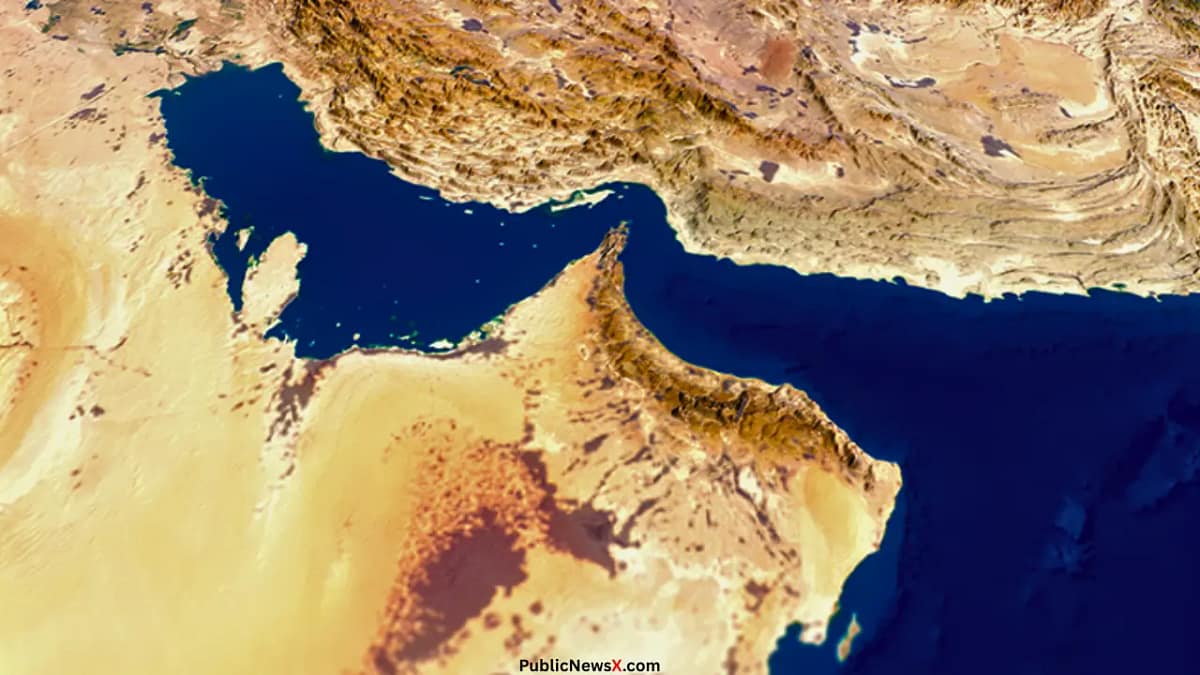
New Delhi: India’s energy security is under acute stress as the ongoing Iran–US–Israel conflict. Iran War 2026 has disrupted oil flows through the Strait of Hormuz. Ongoing military confrontation sparked sharp increases in crude oil prices that threaten fuel costs, inflation and the inter-dependent economies.
The Strait of Hormuz, a narrow 33-kilometre waterway between Oman and Iran, normally handles roughly 20–30 percent of global oil and gas shipments.
India is particularly exposed. The country meets nearly 88–90 percent of its crude oil needs through imports, with more than 50 percent of that supply transiting the Hormuz corridor.
In the event of a significant supply disruption, analysts say that India’s shrinking inventories and heavy dependence on Middle East crude could quickly become a macroeconomic concern.
Brent crude, the global benchmark, has surged nearly 10 percent in recent days to above $80 per barrel, reflecting market fears of a constricted oil supply and increased geopolitical risk.
A prolonged disruption could push prices toward $90–$100 per barrel if the crisis deepens- says analyst.
India currently holds commercial crude stocks including those owned by refiners and strategic reserves that could cover around 40–45 days of imports if the Hormuz flows were fully curtailed, maritime analysts noted. However, officials warn that this buffer is meant to manage short-term shocks rather than a long-lasting blockade.
Higher oil prices have immediate implications for India’s import bill, inflation and consumer energy costs. A sustained $10–$15 per barrel increase in crude prices could add tens of billions of dollars to the nation’s annual oil import expenditure.
Presumably, it will widen the current account deficit, may be surmounting pressure on the rupee.
The disruption also threatens LPG and LNG imports, on which India depends heavily. Nearly 80–85 percent of the country’s liquefied petroleum gas supplies and a significant portion of its LNG imports typically move through the Hormuz corridor.
Any extended delay or rerouting would further add to supply risks, especially for household cooking fuel and industries reliant on gas.
Domestic fuel prices have started to respond. Commercial LPG cylinder prices have already risen, and petrol and diesel rates. Even though it is controlled through a combination of market pricing and tax policy. These developments are closely monitored.
New Delhi has sought alternative energy sources to mitigate disruption. Refiners are considering increased purchases of discounted Russian crude previously lowered to meet international trade conditions and exploring supplies from Africa, USA and other non-Gulf sources.
Although, longer shipment times and higher freight costs remain challenges.
The government has also emphasised the importance of diversifying energy sources, boosting domestic production, and expanding strategic reserves to cushion against future shocks. Still, industry analysts stress that unless the conflict is contained, India’s energy landscape could face volatility in the coming weeks and months.
For now, authorities says there is no immediate risk of physical fuel shortages in India.
What New Delhi Watches:
● Duration of Strait of Hormuz disruption
● Brent crude price trajectory
● Shipping and war-risk insurance costs
● Alternate oil and gas supply contracts
● Inflationary pressures on transport and consumer prices
As global markets absorb the fallout of Middle Eastern hostilities, India’s energy strategy is being tested in real time. It accentuate the vulnerabilities of being a large net importer in a volatile conflict environment.
Share this content: