
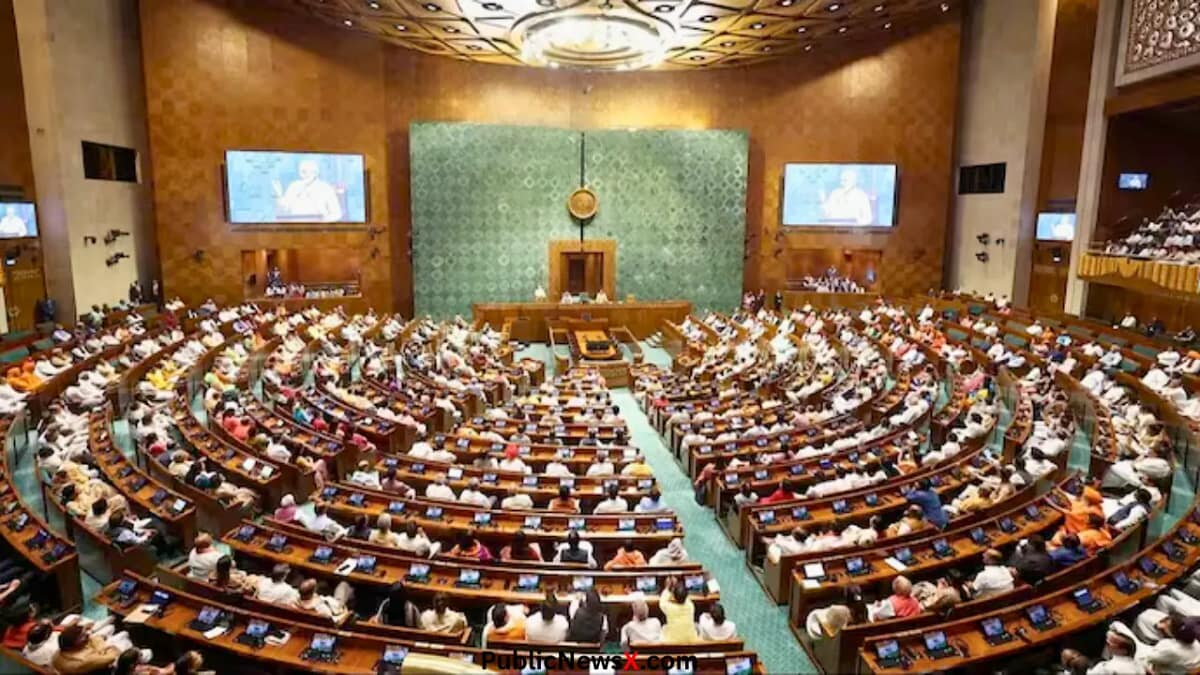
New Delhi: The prolonged vacancy in the office of the Deputy Speaker of the Lok Sabha takes centre stage during the debate on the no confidence motion against Speaker Om Birla, with Opposition parties accusing the ruling alliance of ignoring parliamentary conventions.
OM Birla continues as Speaker, but the debate highlights that the Lok Sabha functions without a Deputy Speaker since 2019. This gap marks an unprecedented situation in India’s parliamentary history.
Opposition Alleges Deliberate Delay
Leaders of the Samajwadi Party say the government avoids holding the election because the post traditionally goes to the Opposition. They argue that the ruling alliance fears an independent presiding officer from outside its ranks.
Article 93 of the Constitution of India requires the Lok Sabha to elect both a Speaker and a Deputy Speaker as soon as possible after the House forms. The Constitution sets no deadline, but Opposition members say a delay of nearly seven years violates established practice.
AIMIM Chief Owaisi Suggests Independent Initiative
Asaduddin Owaisi of the All India Majlis-e-Ittehadul Muslimeen says MPs who are not aligned with major parties can move a motion to elect Hanuman Beniwal as Deputy Speaker. His remark signals that the House itself elects its presiding officers.
No formal proposal emerges during the session.
Government Gives No Timeline
The ruling alliance provides no timeline for filling the vacancy. Government members focus on defending Birla’s conduct and dismiss the motion as politically motivated.
Parliamentary experts say the absence of a Deputy Speaker removes an important institutional safeguard, even though the House continues to function under the Speaker.
Why the Post Matters
The Deputy Speaker acts as the second highest presiding officer of the Lok Sabha. The office holder chairs proceedings when the Speaker is absent and ensures continuity if the Speaker’s position falls vacant.
By convention, the Opposition often holds this post to maintain balance and neutrality in parliamentary functioning.
Record Long Vacancy
The last Deputy Speaker, M. Thambidurai, serves during the 16th Lok Sabha from 2014 to 2019. The House elects no successor after the 2019 general election, and the vacancy continues into the present term.
Constitutional scholars say this period marks the longest time the Lok Sabha operates without a Deputy Speaker since independence.
Institutional Concerns Grow
Opposition members warn that leaving a constitutional office vacant for years weakens internal checks within the legislature. The government maintains that parliamentary work continues smoothly, but critics say a democracy should not leave key institutional posts unfilled.
With no clear indication of when the election will take place, the issue remains a persistent point of political contention in the Parliament of India.
Share this content: