
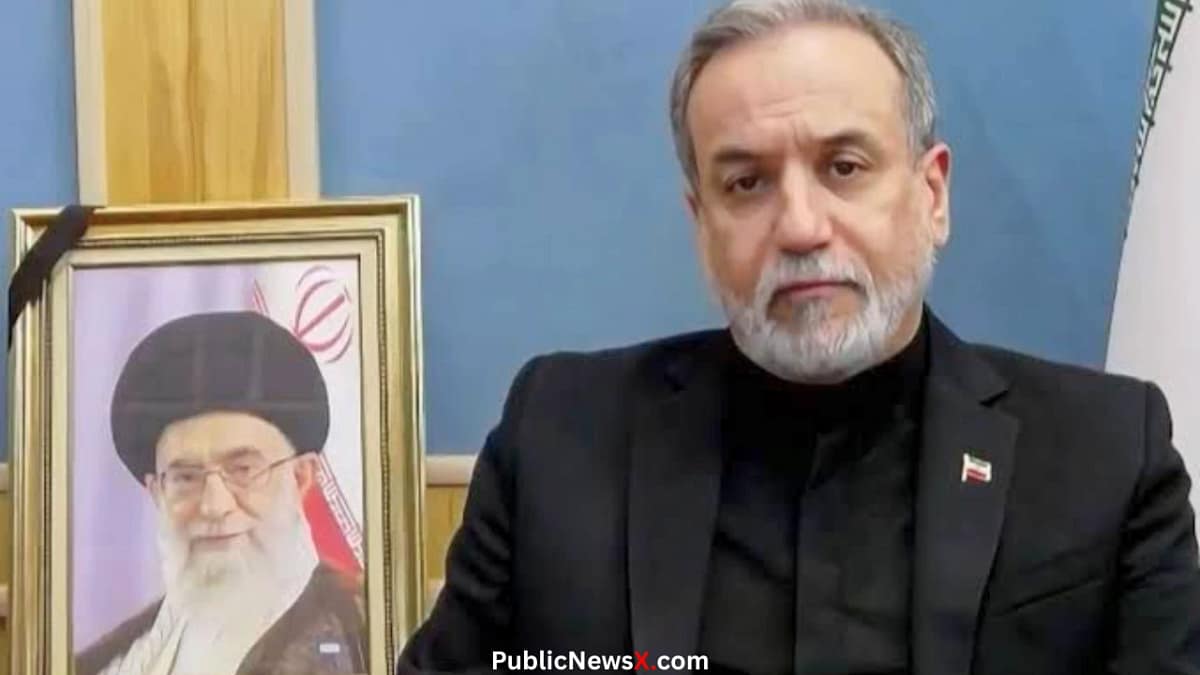
New Delhi: Global insecurity is rising as nations express alarm over US military action against Iran. Experts warn the conflict threatens regional stability, international law, energy security, and global economies.
Since late February 2026, the U.S. and Israel launched coordinated strikes on Iranian military and nuclear sites. Countries across Europe, the Middle East, Asia, Africa, and the Americas are deeply concerned about the growing impact on global peace.
European nations including Spain, Norway, Denmark, and Sweden condemned the strikes as violations of international norms. Spain rejected allowing US forces to use its bases, highlighting political and public anxiety over involvement in a Middle East war.
Across Asia, India urged citizens to stay cautious amid rising tensions. Japan and other energy-dependent nations released strategic oil reserves as crude prices soared due to instability around the Strait of Hormuz.
Middle Eastern countries like Saudi Arabia, the UAE, Qatar, Bahrain, Kuwait, and Oman condemned aspects of the conflict and warned it threatens civilian life and economic interests. Several Gulf states intercepted Iranian missiles and drones, intensifying insecurity in the region.
Global South nations including Brazil, Chile, Cuba, Mexico, and Vietnam criticized the strikes for undermining international law. Pakistan condemned the airstrikes and called for restraint, while Russia and China labeled the operation a dangerous escalation.
Even in North America, debates in the U.S. and Canada reflect concerns over long-term security commitments and NATO obligations. The United Nations, EU officials, and human rights groups continue to call for ceasefire, respect for international law, and diplomatic resolution to prevent further escalation.
Share this content: