
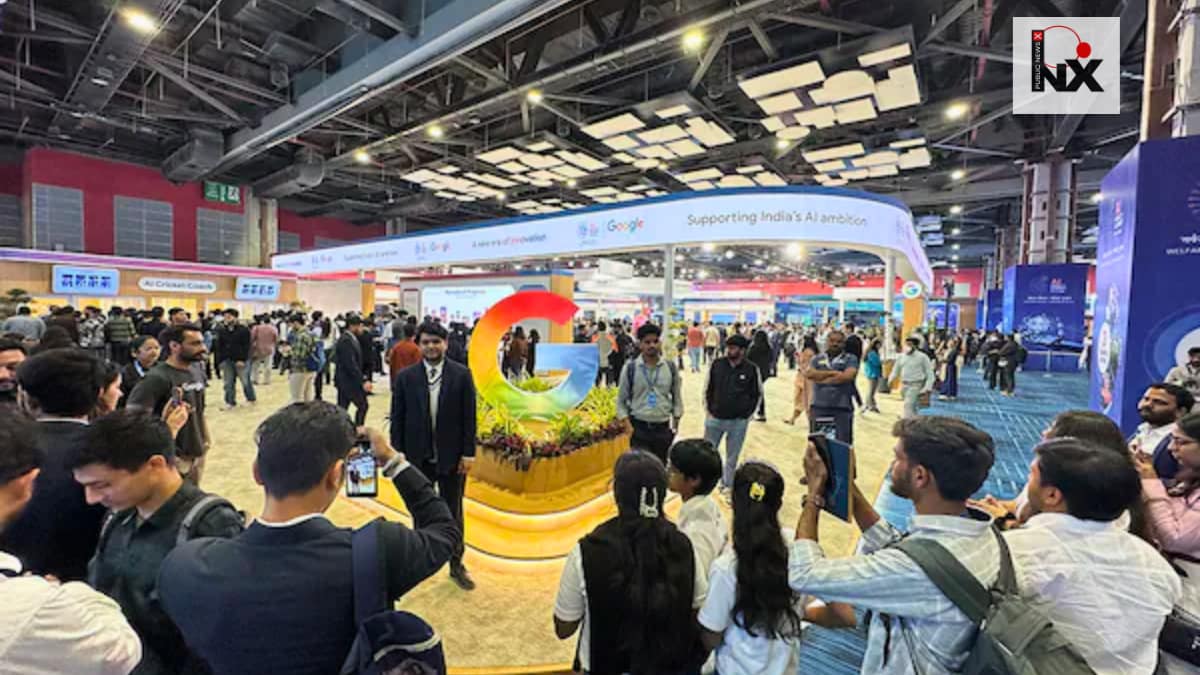
The India AI Impact Summit 2026 began on February 16 at Bharat Mandapam in New Delhi. It will run until February 20. Prime Minister Narendra Modi inaugurated the summit and the India AI Impact Expo. The expo has exhibits from over 300 companies. Many are from India. Participants came from more than 30 countries. There are 10 thematic pavilions. Around 600 startups are showcased. There are also 13 country pavilions.
The Ministry of Electronics and Information Technology organized the event under the IndiaAI Mission. Leaders from over 100 countries attended. More than 20 heads of state and government came. Sixty ministers and 500 global AI experts joined too. The focus is on responsible, inclusive, and sustainable AI.
On the first day huge crowds arrived. Long queues formed. Overcrowding happened. Confusion occurred at entry points. Some people faced difficulties getting in. Opposition leaders called it disorganized.
Prime Minister Modi spoke. He said AI is at a civilizational inflection point. It must use intelligence and rationality. It should serve public interest. It should help society. This fits the vision for Viksit Bharat by 2047. He called AI a transformative opportunity. It can drive humanity, inclusive growth, and a sustainable future. The guiding principles are people, planet, and progress.
On February 17 things improved. Crowd management got better. More areas opened. Waiting times dropped. Access became smoother. Attendance stayed high. Tens of thousands visited.
Union IT Minister Ashwini Vaishnaw apologized for day one issues. He said a war room was set up to fix complaints. He promised a better experience. He talked about stronger regulations. They are needed for deepfakes and misinformation. AI benefits must be maximized. He announced plans to buy another 20,000 GPUs soon. This will increase India’s computing power.
Prime Minister Modi said India should become one of the top three AI superpowers by 2047. He stressed practical uses. These include healthcare, agritech, governance, and education.
Sessions covered ethical AI. They discussed bias reduction. Child safety came up. Job safeguards were mentioned. Social equity was a topic. Sovereign AI infrastructure was highlighted. It aims for self-reliance in compute and data. This reduces foreign dependence. Democratization of AI was discussed. Focus was on the Global South. Programs like AI for ALL and AI by HER were mentioned. Real-world applications were explored. These cover health, education, agriculture, road safety, and environmental sustainability.
The government launched SAHI. It is the Secure AI for Health Initiative. They also launched BODH. It is the Benchmarking Open Data Platform for Health AI. Both promote ethical health AI.
Talks included global cooperation. They built on earlier AI summits. Talent development was covered. Workforce preparation was discussed. Investments are rising. Forecasts show major inflows. They could reach 200 billion dollars soon. The shift is from pilots to widespread enterprise use.
Big Tech leaders attended. Sundar Pichai from Alphabet Google came. Sam Altman from OpenAI was there. Dario Amodei from Anthropic joined. Demis Hassabis from Google DeepMind participated. Alexandr Wang from Meta attended. Jensen Huang from NVIDIA was present. Brad Smith from Microsoft came. Cristiano Amon from Qualcomm joined. Indian leaders like Mukesh Ambani and Nandan Nilekani took part too.
Other topics included diversified AI access. This avoids overdependence on few countries or firms. Fair payment for news content in AI training was raised. AI effects on media, journalism, and new services were examined.
The summit continues with plenaries, research discussions, and industry meetings. The goal is solid partnerships. Frameworks are being built. Tangible results are expected. India aims to lead in guiding global AI. It wants inclusive advancement while managing risks.
Share this content: