
Washington / New Delhi: Democratic and some Republican lawmakers sharply criticized the Trump administration’s decision to authorize major military action against Iran without prior congressional approval, calling it a constitutional overreach and demanding a vote under the War Powers Resolution.
The War Powers Resolution – US 1973 is a U.S. law that restricts the president from engaging American forces in war without congressional approval. It requires notification to Congress within 48 hours of troop deployment and limits military action to 60 days plus a 30-day withdrawal period unless further authorization is granted.
Democratic Representative Jim Himes said bluntly that the administration’s actions ignored its constitutional obligations.
“According to the Constitution we are both sworn to defend, my attention to this matter comes before bombs fall. Full stop.”
Himes added that the president’s attack on Iran constituted a clear violation of the Constitution’s war powers:
“Donald Trump’s decision to launch direct military action against Iran without Congressional approval is a clear violation of the Constitution.”
House Democratic Leader Hakeem Jeffries also weighed in, saying the White House misled lawmakers and Congress was sidelined:
“President Trump misled the country about his intentions, failed to seek congressional authorization for the use of military force and risks American entanglement in a potentially disastrous war in the Middle East.”
Republican Representative Thomas Massie echoed constitutional concerns from across the aisle, saying the conflict lacked evidence of an imminent threat:
The strikes are “not constitutional” and there was no “imminent threat to the United States” from Iran.
Senators have also been vocal. After attending classified briefings, Democratic Senator Mark Warner said lawmakers were not given enough justification:
There was no immediate threat to the United States of America by the Iranians.
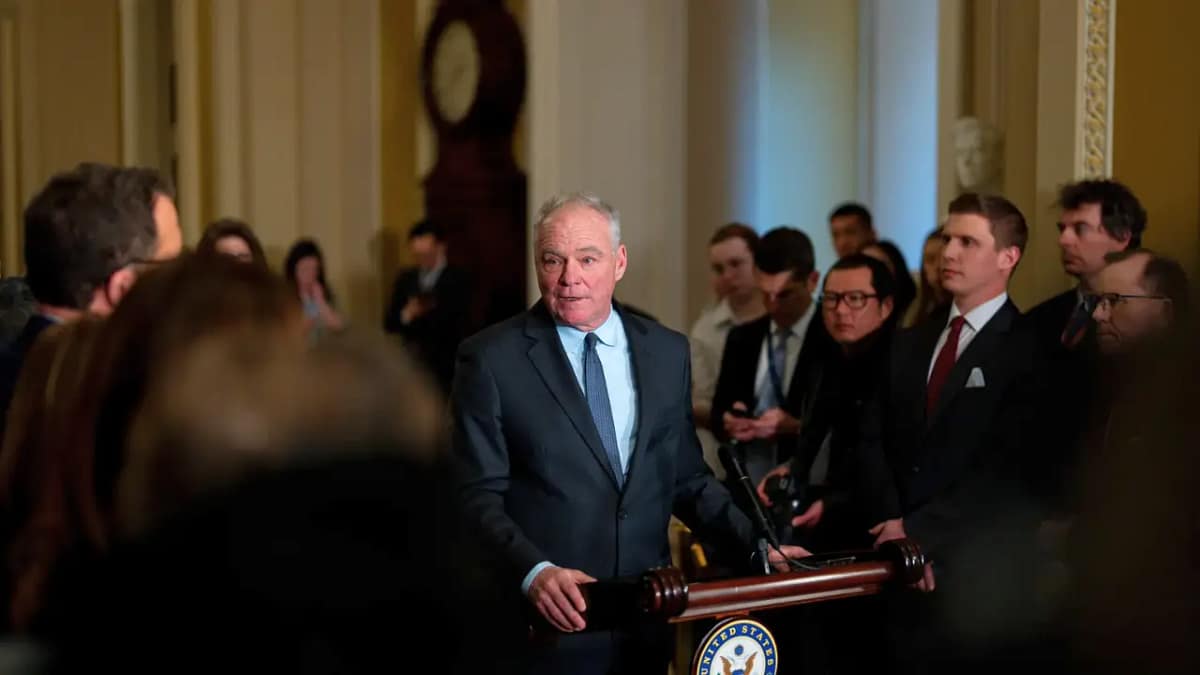
Senator Tim Kaine called for congressional checks on presidential military power, arguing that war decisions should not rest with the executive alone.
The criticisms come amid reports that Pentagon briefings to congressional staff acknowledged there was no intelligence indicating Iran planned to attack U.S. forces first, undermining the administration’s stated rationale.Lawmakers from both parties are now preparing to push a formal war powers resolution that would require the administration to seek congressional authorization for further military engagement.
Share this content: