Tensions Escalate Along the Durand Line After Pakistani Airstrikes, Border Clashes Intensify
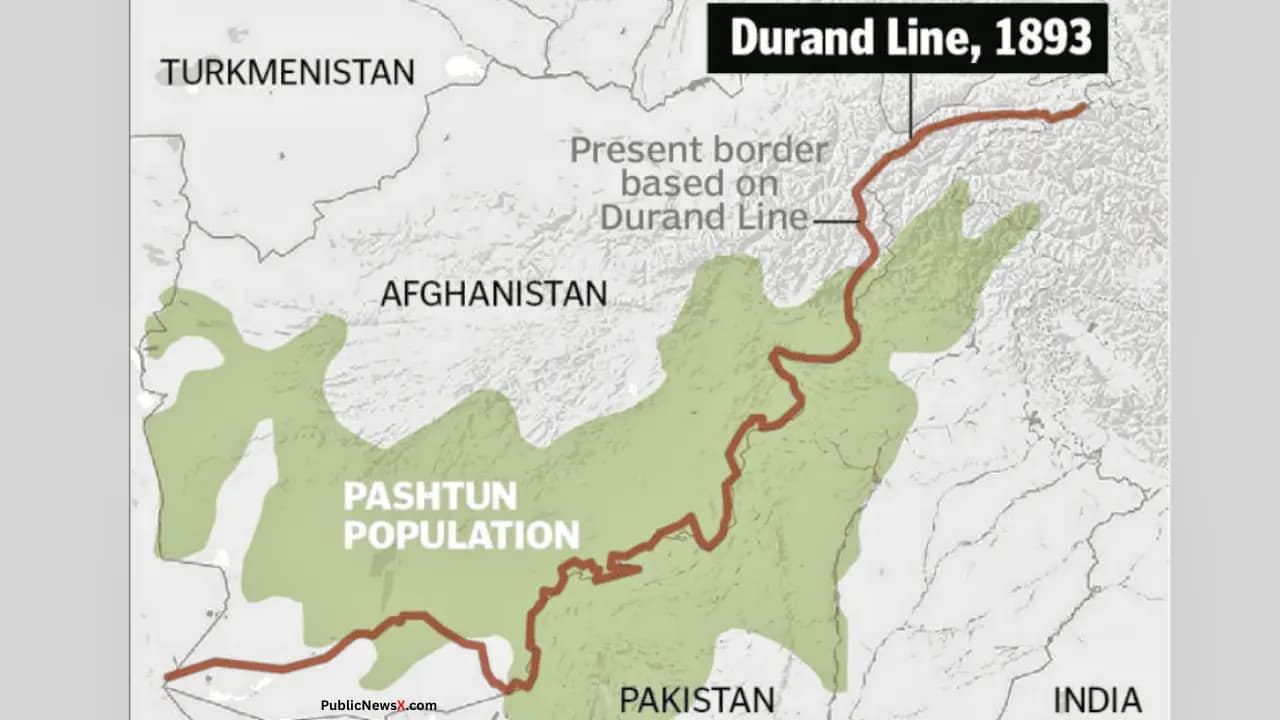
New Delhi: Tensions have escalated sharply along the disputed Durand Line separating Pakistan and Afghanistan following cross border airstrikes, artillery exchanges and renewed clashes that threaten to unravel a fragile ceasefire reached late last year.
The latest round of hostilities stems from Pakistan’s longstanding accusation that Afghanistan’s Taliban led government is allowing militant groups, particularly the Tehrik-e-Taliban Pakistan, to operate from Afghan territory and launch attacks inside Pakistan.
Kabul has consistently denied providing sanctuary to anti Pakistan militants.
ALSO READ: Dozens Killed, Injured During Pakistan Airstrikes in Afghanistan; Kabul Condemns Action
On February 22, Pakistan carried out what it described as intelligence based airstrikes targeting seven suspected militant camps and hideouts in Afghanistan’s Nangarhar and Paktika provinces. Pakistani officials stated that between 70 and 80 militants, primarily members of Tehrik e Taliban Pakistan and affiliated fighters including some linked to Islamic State – Khorasan Province, were killed in the operation.
The strikes followed a surge in violence inside Pakistan, including a suicide bombing at a Shia mosque in Islamabad on February 6 that killed around 32 people, along with attacks in Bajaur and Bannu districts that authorities attributed to TTP or allied groups.
Afghan authorities condemned the strikes as a blatant violation of sovereignty and international law, asserting that civilian areas were hit. The Taliban administration in Kabul claimed that homes and a religious school were damaged and that dozens of civilians, including women and children, were killed or injured.
Casualty figures remain disputed. The United Nations Assistance Mission in Afghanistan reported at least 13 civilian deaths, while the Afghan Red Crescent cited approximately 18 fatalities in Nangarhar province. Taliban officials have put the toll significantly higher, though independent verification remains ongoing.
The situation deteriorated further on February 24 when heavy clashes erupted along sections of the Durand Line, particularly in areas of Nangarhar province opposite Pakistan’s Khyber district. Local sources and regional media reported exchanges of fire involving heavy weapons between Pakistani forces and Afghan Taliban fighters.
Some reports suggested that Pakistani forces targeted and destroyed Taliban posts using advanced weaponry, including anti tank guided missiles, although these claims have not been independently confirmed. Both sides accused each other of initiating hostilities.
The escalation marks a breakdown of a ceasefire agreed in October 2025 after weeks of intense fighting that left dozens dead on both sides of the border. Since then, sporadic skirmishes and mutual allegations of cross border incursions have continued. Pakistan has repeatedly warned that it reserves the right to act against militant threats emanating from Afghan soil, arguing that rising attacks within its territory compel it to take preventive measures.
Afghan officials maintain that they do not permit any group to use Afghan territory to threaten other countries and have called on Islamabad to resolve disputes through dialogue rather than force.
Diplomatic efforts by regional actors including Qatar, Turkey and Saudi Arabia over the past year have sought to reduce tensions but have so far failed to establish a durable framework for security cooperation. The renewed hostilities have drawn international attention. India publicly condemned Pakistan’s strikes and reiterated support for Afghanistan’s sovereignty, while humanitarian organisations have called for restraint and independent investigations into civilian harm.
The latest developments risk further destabilising an already volatile border region where militant networks, tribal dynamics and historical grievances intersect.
The Durand Line, drawn during British colonial rule and never formally recognised by successive Afghan governments, remains a source of political and territorial dispute. With both Islamabad and Kabul adopting hardened positions and violence intensifying on the ground, the prospect of sustained military confrontation cannot be ruled out unless urgent diplomatic intervention succeeds in de-escalating the crisis.
Share this content:


Post Comment