Supreme Court Allows Shared Prayers at Disputed Bhojshala in Madhya Pradesh
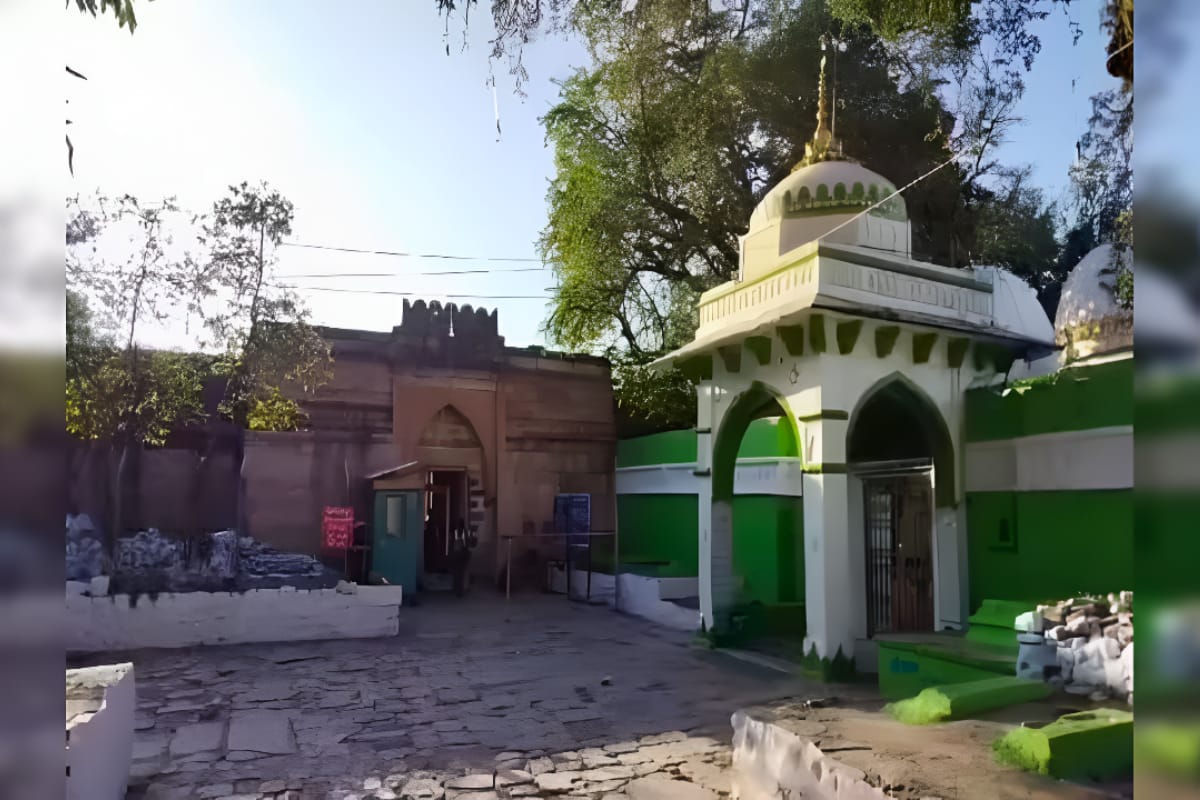
New Delhi/Dhar: The Supreme Court on Thursday allowed both Hindus and Muslims to offer prayers at the disputed Bhojshala–Kamal Maula Mosque complex in Dhar district of Madhya Pradesh on Friday, coinciding with the Basant Panchami festival. The decision seeks to ensure peaceful observance of religious practices at the site by both communities through clearly defined time slots and arrangements.
As per the court’s order, Hindus will be permitted to perform Saraswati Puja from sunrise to sunset at the historic complex. Muslims will be allowed to offer Friday Namaz between 1 pm and 3 pm, with authorities directed to make separate entry and exit arrangements to prevent any overlap or confrontation.
The court’s directions aim to maintain public order and balance competing religious claims at a site that has been a long-standing point of contention between Hindu and Muslim groups. The Bhojshala complex is claimed by Hindus as an ancient Saraswati temple, while Muslims regard it as the Kamal Maula Mosque, where namaz has traditionally been offered.
The top court emphasised the need for strict administrative coordination and compliance with security protocols to ensure that prayers are conducted peacefully and without disruption. Local authorities have been instructed to oversee crowd management and ensure that the timings fixed for each community are followed without deviation.
In view of the sensitive nature of the site and the court’s order, security has been significantly tightened in and around the Bhojshala complex. The administration has declared the area a no-fly zone, prohibiting the use of drones and other aerial devices. A heavy deployment of police and security personnel has been put in place to prevent any untoward incident.
Senior officials said additional forces have been stationed at key access points, while surveillance has been increased to monitor the situation throughout the day. The district administration has also appealed to members of both communities to cooperate with authorities and respect the court-mandated arrangements.
The Supreme Court’s order comes amid heightened sensitivity around religious sites across the country and is seen as an attempt to ensure law and order while safeguarding the right to worship for both communities at the disputed location.
Share this content:


Post Comment