Starlink crosses 11,300 launches globally as SpaceX accelerates 2026 deployment
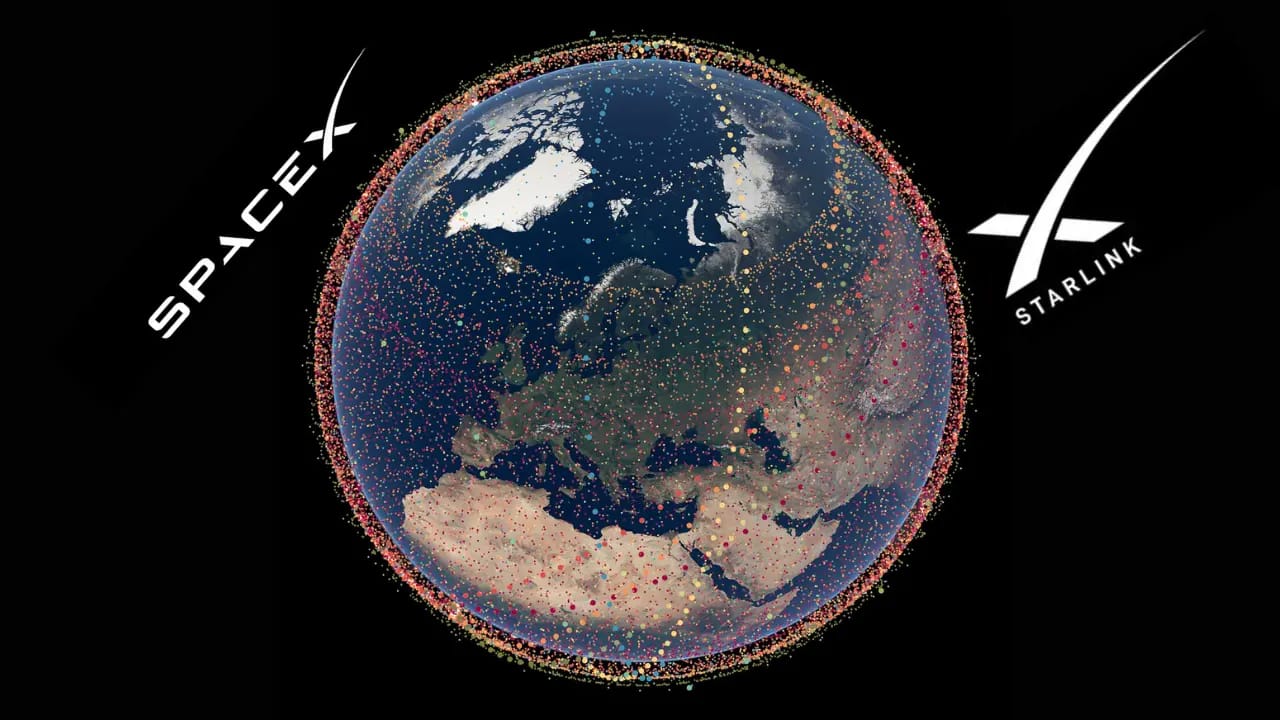
New Delhi: The global Starlink satellite network operated by SpaceX continues its rapid expansion in 2026, with the cumulative number of satellites launched since 2018 reaching approximately 11,351 as of today, according to multiple tracking databases and launch logs.
The latest deployment occurred from Vandenberg Space Force Base, where a Starlink mission designated Starlink 17-26 launched 25 satellites into low-Earth insertion orbit.
The batch pushed the total number of satellites launched in 2026 to 512 across roughly 20 missions, crossing the 500-satellite milestone for the year. Observers note that launch cadence in 2026 remains among the fastest in the program’s history.
Tracking data compiled by astronomer Jonathan McDowell shows that about 9,829 Starlink satellites are currently in orbit, including newly launched units that are undergoing orbit-raising and testing procedures before becoming operational. Of these, 9,794 satellites are fully functional and supporting the broadband network operated under the Starlink brand.
Historical deployment records show that approximately 1,522 satellites have been deorbited, failed, or retired due to mission completion, technical anomalies, or atmospheric drag effects. The constellation includes multiple generations of spacecraft, ranging from early Tintin prototypes to the latest v2 Mini design, which dominates current launches.
Public launch records and data shared on Spaceflight Now and verified posts on X (social media platform) reflect minor statistical variation among trackers depending on whether prototypes or experimental variants are counted.
The version-wise distribution of Starlink satellites shows the program’s technological evolution: two Tintin prototypes, 60 v0.9 satellites, 1,665 v1.0 units, 2,987 v1.5 spacecraft, 6,574 v2 Mini satellites, and 38 full-size v2 satellites.
Analysts say the aggressive 2026 launch pace, averaging about 25–29 satellites per mission indicates continued expansion of global low-latency satellite internet coverage as the constellation moves closer to the 10,000-satellite operational threshold in orbit.
Share this content:




Post Comment