
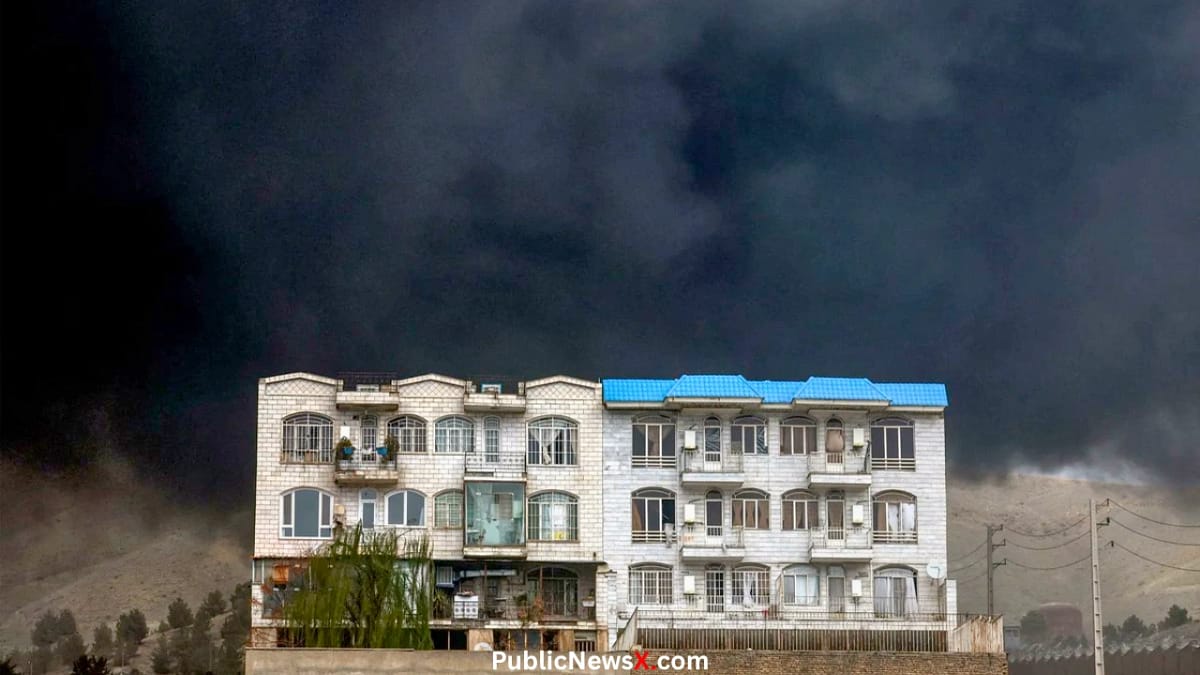
New Delhi / Tehran: Iran has accused Israel of violating international law and committing “ecocide” after Israeli strikes hit fuel depots in and around Tehran, raising serious environmental and humanitarian concerns amid an intensifying conflict between the two countries.
Iran’s Foreign Minister Abbas Araghchi took to X on Monday, saying that Israel’s bombings of fuel depots in Tehran “violate international law and constitute ecocide”, and warned of long‑term consequences for residents’ health and the environment.
He added that contamination of soil and groundwater from these strikes could have generational impacts, and demanded that “Israel must be punished for its war crimes,” according to the statement.
Multiple international outlets confirm that Tehran was struck by airstrikes targeting fuel storage facilities, including oil depots and refineries, marking one of the most significant attacks on Iran’s domestic energy infrastructure so far this year.
The strikes have sent thick plumes of black smoke over the capital, and raised concerns over toxic fallout and civilian exposure to hazardous pollutants.
Iranian officials have described the attacks as crimes against the environment, citing risks of widespread contamination that could affect soil and water sources, further deepening the humanitarian toll on the population.
Israel’s military has not publicly detailed all its operational objectives, but earlier reporting suggests the facilities struck included those linked to fuel supplies for military logistics.
The strikes come amid an escalation of the ongoing 2026 Iran war, which began with joint U.S.–Israeli military actions and has since expanded into broader regional confrontations.
The Strait of Hormuz, a critical global energy artery, has effectively been shut down due to hostilities, leading to skyrocketing oil prices and heightened international tensions.
Israeli attacks on Iranian infrastructure have previously included a strike near Tehran’s Azadi Tower that hit oil depots and refining facilities, which Israel claimed were linked to Iran’s armed forces operations. After that earlier attack, Iranian officials also condemned the actions as unlawful and warned of dire consequences.
The ecocide allegation by Araghchi underscores an emerging angle in Tehran’s diplomatic response, framing the strikes not just as a military escalation but as an environmental and humanitarian catastrophe.
Experts warn that damage to fuel depots can release toxic substances into the air and soil, creating long‑lasting health risks for communities and complicating reconstruction efforts.
Although international law recognizes certain protections for the environment in armed conflict, whether these specific attacks meet the threshold of “ecocide” under emerging legal frameworks remains a subject of debate among legal scholars.
The conflict shows no immediate signs of de‑escalation. Iran has continued missile and drone operations against U.S. and Israeli targets, while global powers urge restraint and monitor the disruptive impact on global energy markets and regional stability.
Share this content: