
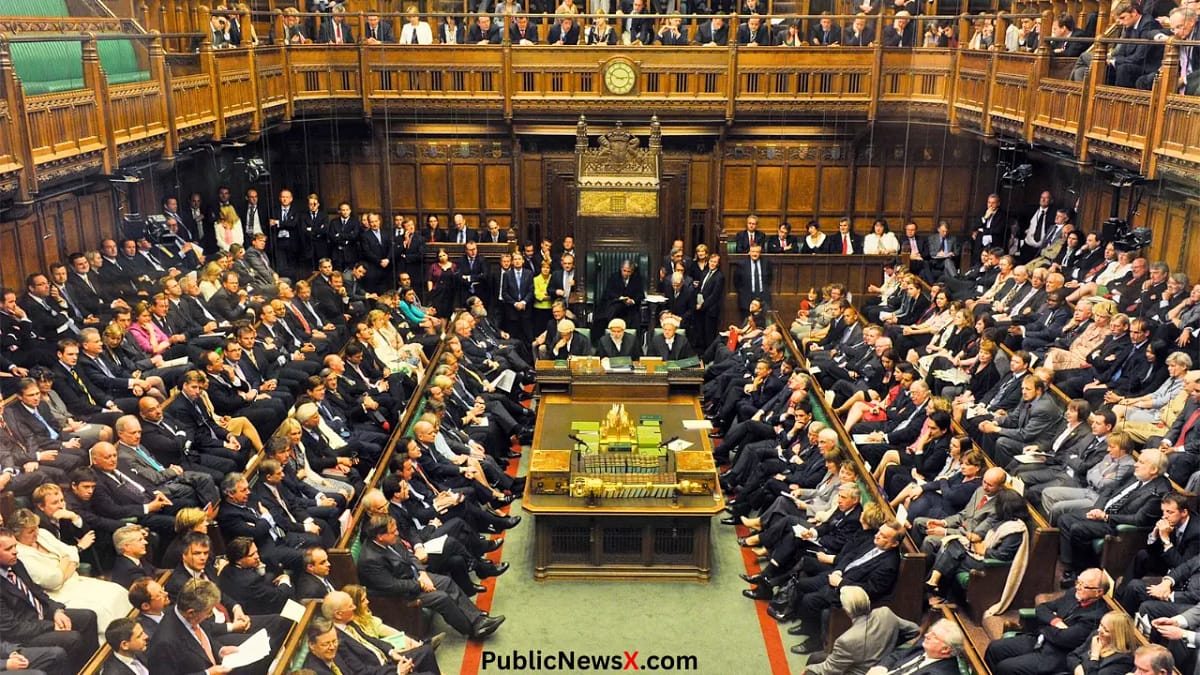
New Delhi: Stephen Flynn, leader of the Scottish National Party (SNP) group in the UK’s House of Commons and MP for Aberdeen South, sharply criticised the ongoing United States and Israeli military campaign against Iran, calling the conflict “illegal” and raising concerns over civilian casualties, particularly a deadly missile strike on an Iranian girls’ school.
During Prime Minister’s Questions and parliamentary exchanges on Wednesday, Flynn challenged the UK government’s diplomatic and military stance, questioning the legal basis for supporting or facilitating aspects of the war and urging clarity on the humanitarian fallout.
He referenced reports and preliminary US military investigations suggesting that outdated intelligence may have led to a missile strike on the Shajareh Tayyebeh elementary school in Minab, southern Iran, which local officials say killed scores of children and civilians on February 28.
Video and satellite analysis reviewed by international media appear to show a US‑made Tomahawk missile striking a compound near the school shortly after joint US‑Israeli attacks began, though the U.S. Department of Defense has not officially concluded its investigation.
President Donald Trump denied knowledge of findings attributing responsibility to US forces, and the Pentagon continues to state the probe is ongoing.
Flynn’s remarks echoed growing concern among lawmakers abroad over civilian harm in the conflict. Dozens of US senators have pressed for answers on the school strike and other civilian casualties, while European leaders, including Italy’s prime minister, have condemned the attack and called for accountability from those responsible.
In his Commons intervention, Flynn argued that civilian deaths in such incidents underscored broader questions about the legality and legitimacy of the war effort, echoing similar criticisms from antiwar voices within and outside the UK.
He questioned whether the UK should play any role—directly or indirectly—in supporting military operations that risk civilian lives without clear legal justification.
The tragic school strike has emerged as a central flashpoint internationally, with Iran attributing the attack to US and Israeli actions, while both Washington and Tel Aviv have denied direct responsibility.
Human rights organisations and political figures globally continue to debate the implications under international humanitarian law.
The UK government has so far defended its position, emphasising legal consultation and defensive cooperation with allies, but faces increasing pressure from opposition lawmakers and civil society to reconsider aspects of its approach to the Middle East crisis.
Share this content: