
Tehran/New Delhi: Military analysts say Iran is increasingly using decoy and deception tactics as tensions continue with United States and Israel in the ongoing Middle East conflict.
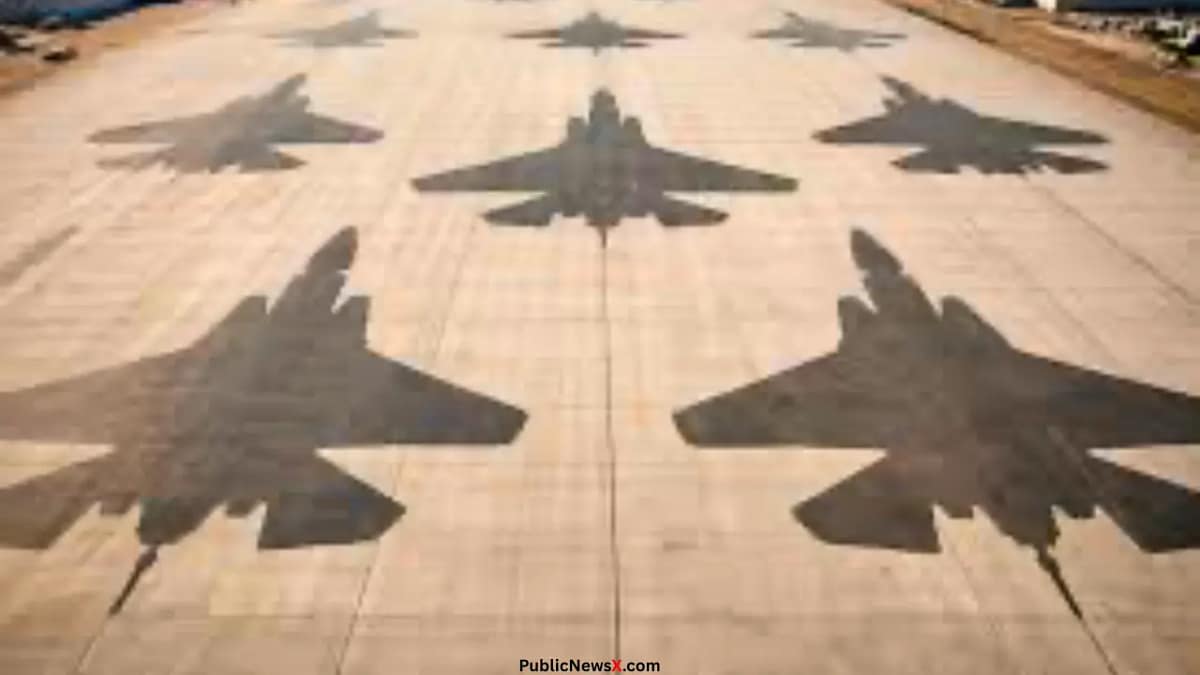
Open-source intelligence reports indicate that Iranian forces have deployed painted ground installations designed to resemble aircraft, helicopters and missile launchers in an apparent effort to mislead aerial surveillance and precision strike systems.
Some satellite images and video clips circulating online have been interpreted by defence commentators as showing destroyed military equipment that may have been only visual mockups rather than operational assets.
Defence experts describe the tactic as part of Iran’s asymmetric warfare strategy, which focuses on concealment, mobility and information disruption rather than direct conventional firepower.
Analysts say decoy warfare is intended to force adversaries to expend costly precision-guided weapons while attempting to verify real targets.
In addition to visual decoys, military researchers have discussed the possibility of Iranian ballistic missile systems using penetration aids that release multiple radar-reflective objects during the re-entry phase of missile flight.
These measures are designed to create multiple radar signatures and complicate interception by multi-layer missile defence networks.
The development comes amid continued military operations involving U.S. and Israeli forces targeting Iranian-linked strategic sites using stealth aircraft and long-range missiles.
Officials from both Washington and Tehran have maintained contrasting claims about the effectiveness of strikes and defensive countermeasures.
Independent defence observers say the actual battlefield effectiveness of Iran’s decoy technology remains difficult to verify due to restricted access to strike zones and conflicting battlefield information.
While modern surveillance technologies and artificial intelligence-assisted targeting systems may reduce the impact of deception tactics, analysts warn that decoy warfare could increase the cost and complexity of sustained military operations in the region.
Tensions in the Middle East have intensified over the past weeks as diplomatic channels struggle to contain the expanding military confrontation involving Iran, the United States and Israel.
Authorities from the involved countries have not provided independent confirmation regarding the operational success or failure of the reported decoy deployments.
Share this content: