
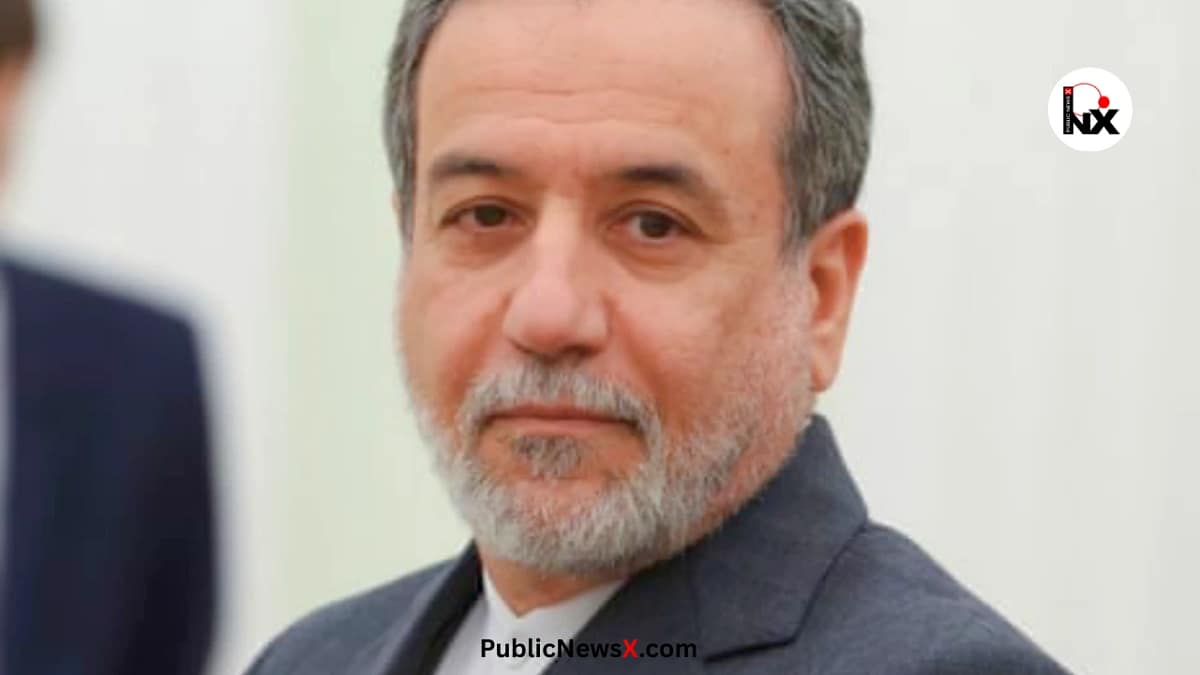
New Delhi/Tehran: Iran’s Foreign Minister Abbas Araghchi robustly defended Tehran’s nuclear programme in a televised interview on Sunday, saying Iran has the sovereign right to decide its own uranium enrichment policy.
Araghchi insisted that “as a sovereign country, we have every right to decide for ourselves, by ourselves” on enrichment, rejecting the notion that Washington can dictate terms over Tehran’s nuclear choices.
Araghchi warned that if talks with the United States fail and Washington attacks Iranian interests, Tehran reserves the right to defend itself, including targeting U.S. bases in the Middle East. However, he stressed that such responses would be acts of self-defense, not aggression, and said Iranian missiles would not hit American soil.
Despite mounting tensions, the foreign minister struck an optimistic tone about diplomacy. He said there is a “good chance” of a diplomatic solution and that discussions with U.S. negotiators could resume later this week in Geneva, where elements of a potential nuclear agreement are being drafted.
Araghchi reiterated Tehran’s position that it has not offered any suspension of enrichment, and that the United States has not formally asked for zero enrichment, countering some Western demands.
He also stressed Iran’s willingness to work on the text of a deal and advance negotiations to alleviate tensions.
The interview comes as indirect Iran-U.S. talks, mediated by Oman in Geneva, continue amid wider international pressure and regional military buildups.
Recent negotiations have reportedly yielded agreement on “guiding principles” for a possible deal, although substantive gaps over sanctions relief, enrichment limits, and monitoring remain.
Iran maintains that its nuclear programme is peaceful and protected under international law, while Washington and its allies press Tehran for greater transparency and curbs. With a significant U.S. naval presence in the Gulf, both sides face a critical juncture where diplomacy and confrontation linger side by side.
Share this content: