
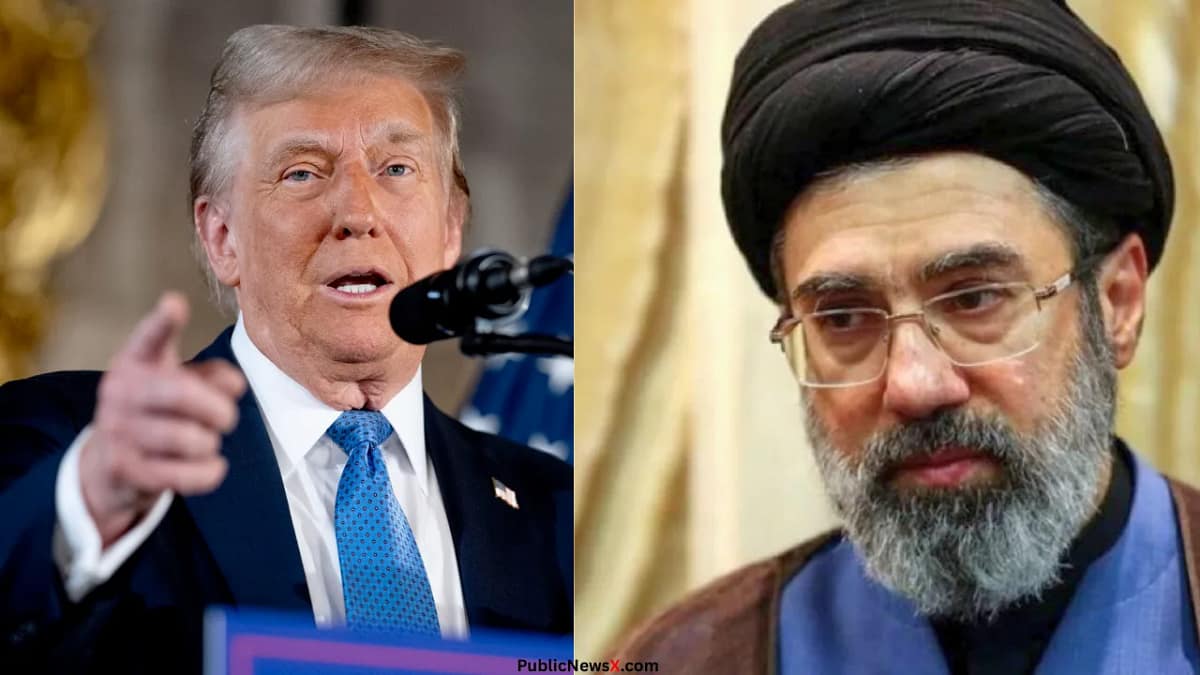
New Delhi: Diplomatic efforts between the United States and Iran have collapsed following negotiations held in Islamabad, with the breakdown driven primarily by disagreement over Iran’s nuclear program.
The talks failed after both sides remained firmly divided on uranium enrichment. The United States insisted on strict, verifiable limits to prevent any potential pathway toward nuclear weapons capability.
Iran rejected these demands, maintaining that uranium enrichment is a sovereign right under its civilian nuclear program and cannot be relinquished through external pressure.
Following the collapse, U.S. President Donald Trump stated that the failure was directly linked to Iran’s refusal to accept nuclear restrictions, arguing that Washington could not agree to any framework that leaves enrichment unconstrained.
Iran rejected this interpretation, insisting that its nuclear program remains peaceful and that the U.S. position exceeded acceptable diplomatic terms.
Parallel to the nuclear dispute, tensions on the Israel–Lebanon front further undermined diplomatic progress. A fragile ceasefire arrangement intended to reduce regional escalation has faced continued strain due to ongoing military activity in southern Lebanon.
Israel maintains that its operations are necessary for national security and target armed groups operating near its northern border.
Iran views developments in Lebanon as part of a broader confrontation involving Israel and the United States, while Western governments continue to treat nuclear non-proliferation as a separate strategic issue.
Following the collapse of talks, diplomatic engagement remains uncertain, with no confirmed timeline for renewed negotiations. The ceasefire environment in Lebanon also remains fragile amid continued incidents and rising tensions.
In the aftermath of the failed negotiations, reports and statements circulating in political discourse have also suggested escalation in maritime security around the Strait of Hormuz, including claims of stronger U.S. naval enforcement measures.
However, these developments remain subject to verification, and no fully confirmed blockade has been independently established by major international reporting at this time.
The situation reflects a broader structural impasse in which nuclear diplomacy, regional military conflict, and maritime security tensions are increasingly interconnected, limiting space for near-term diplomatic resolution.
Share this content: