
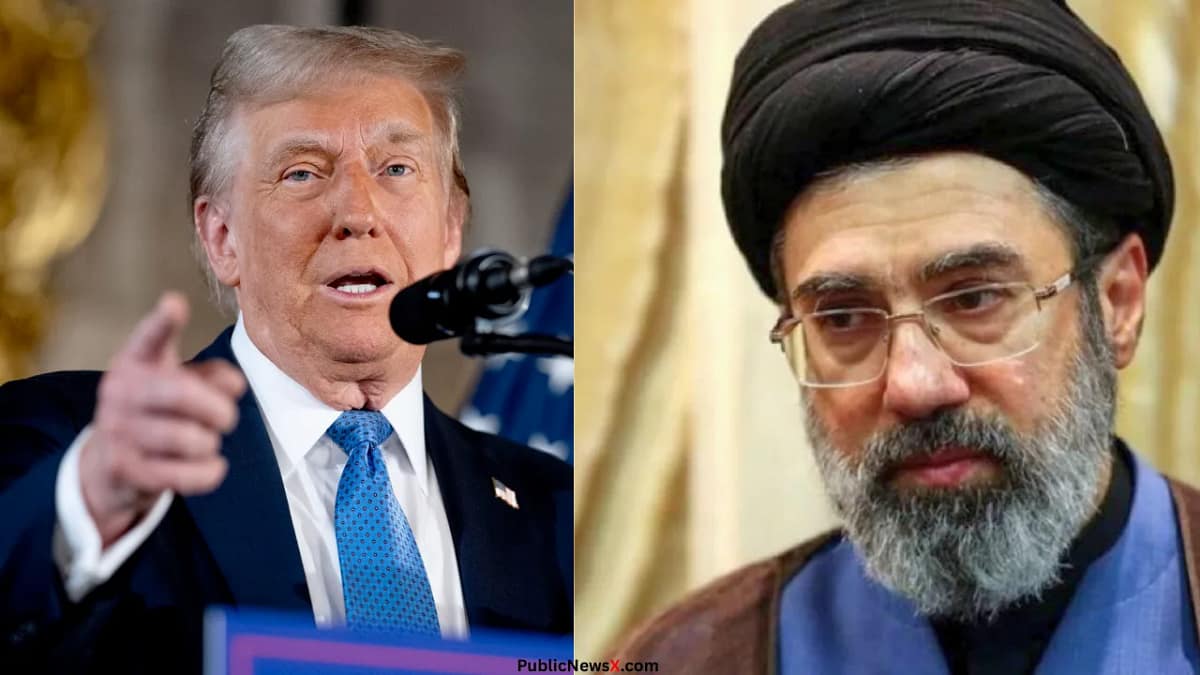
NEW DELHI/TEHRAN: Iran has rejected a ceasefire framework proposed by the United States and signaled that any end to the ongoing conflict will occur strictly on its own terms, according to statements carried by Press TV, the country’s state-run broadcaster.
A senior Iranian political-security official said Tehran has informed intermediaries that there will be “no negotiations” unless its conditions are fully accepted, reinforcing a hardline stance against diplomatic overtures from Washington. “Iran will end the war when it decides to do so and when its own conditions are met,” the official said, adding that military operations would continue in the meantime.
The comments come amid claims that the administration of Donald Trump has floated a multi-point ceasefire proposal aimed at de-escalating tensions in the region. Details of the proposal have not been publicly released, and there has been no independent confirmation from US officials.
Iranian officials outlined five conditions for any ceasefire, including a complete halt to military actions and targeted killings by the United States and Israel, verifiable guarantees against future conflict, payment of reparations, a region-wide ceasefire covering allied groups such as Hezbollah, and international recognition of Iran’s authority over the Strait of Hormuz.
Sources familiar with regional diplomacy indicated that the US proposal may have been conveyed through intermediaries, including contacts in Pakistan, and could involve discussions around Iran’s nuclear and missile programs, maritime security in the Gulf, and limits on support for proxy forces in exchange for sanctions relief. These details remain unverified.
Iranian military figures dismissed the idea of ongoing negotiations, with one official quoted in state media as saying Washington was “negotiating with itself.” The rhetoric underscores the deep divide between the two sides as the conflict continues.
The diplomatic impasse threatens to extend a war that has already caused significant casualties and disrupted global energy flows. The Strait of Hormuz remains a focal point of concern, as it handles a substantial share of the world’s oil shipments. Markets showed renewed volatility following the latest developments.
While Donald Trump has previously suggested progress toward de-escalation, Iranian leaders have consistently rejected such claims. There has been no immediate response from the White House or Israeli authorities to the latest statements.
The situation remains fluid, with no clear indication of a breakthrough as both sides hold firm positions and prospects for a near-term ceasefire appear increasingly uncertain.
Share this content: