₹9,072 Crore Railway Boost: How New Multitracking Projects Will Impact Villages, Jobs and Freight Movement
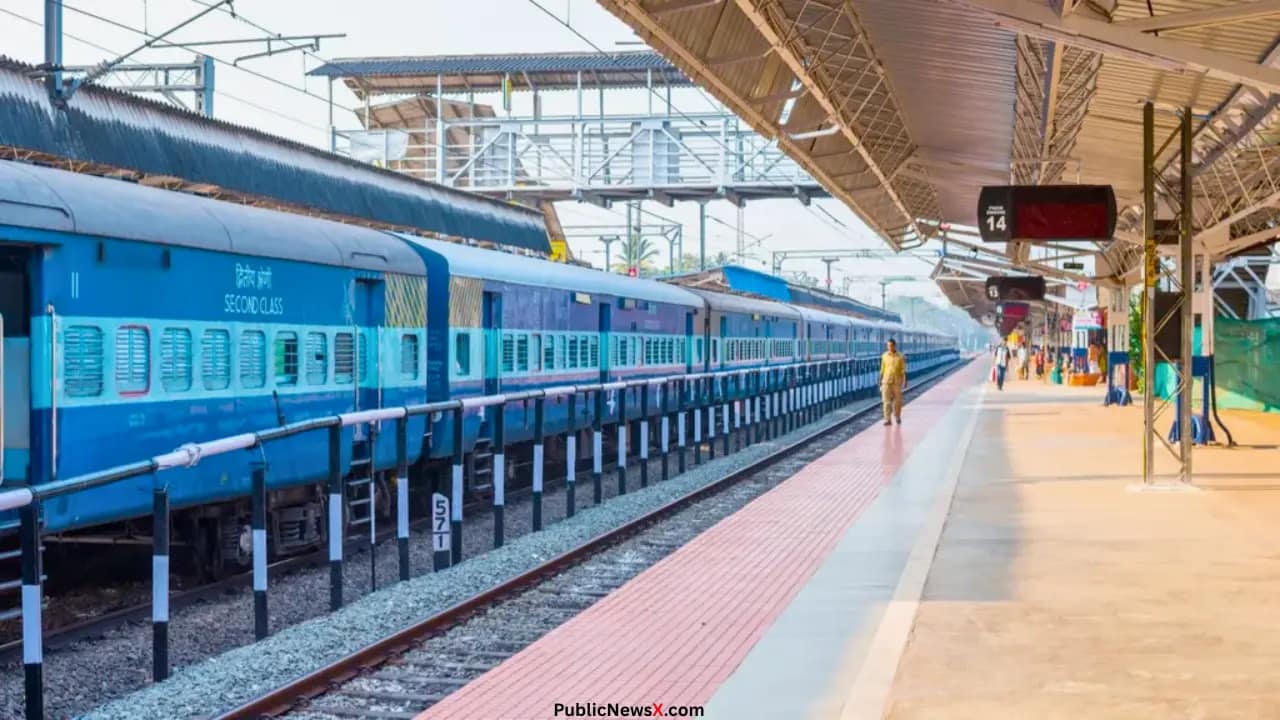
New Delhi: The Union Cabinet chaired by PM Narendra Modi has approved three major railway multitracking projects worth ₹9,072 crore.
The decision is set to expand the network of Indian Railways by around 307 kilometres across Maharashtra, Madhya Pradesh, Bihar and Jharkhand, covering eight districts.
For lakhs of passengers who face delays on congested routes, this decision promises shorter travel times and more reliable train services. For farmers and businesses, it could mean faster movement of goods such as coal, cement, fertilisers, steel and foodgrains.
The approved projects include the doubling of the Gondia–Jabalpur railway section and the addition of third and fourth railway lines between Punarakh and Kiul in Bihar, and between Gamharia and Chandil in Jharkhand. These are not just technical upgrades on paper. They are routes that thousands of families depend on for work, education and trade.
Government estimates suggest that nearly 5,400 villages, with a combined population of about 98 lakh people, stand to benefit from improved connectivity. In many rural pockets of Bihar and Jharkhand, better rail access can translate into easier access to markets, hospitals, schools and job opportunities.
Officials say the additional tracks will significantly reduce congestion on some of the busiest freight and passenger corridors in central and eastern India. The enhanced capacity is expected to allow an additional 52 million tonnes of freight movement every year. For industries in mineral rich regions, especially in Jharkhand and Madhya Pradesh, smoother freight flow can reduce logistics costs and improve production efficiency.
The environmental angle is equally important. By shifting more freight from roads to railways, the government estimates savings of nearly six crore litres of fuel and a reduction of around 30 crore kilograms of carbon dioxide emissions. In practical terms, this means fewer trucks on highways, less fuel consumption and lower pollution levels.
The projects have been cleared under the PM Gati Shakti framework, which aims to integrate infrastructure planning across sectors. Officials expect the works to be completed by the financial year 2030–31, after which commuters and businesses are likely to experience tangible improvements in speed, reliability and connectivity.
Beyond numbers and statistics, the Cabinet’s approval reflects a continued push to strengthen railway infrastructure as a backbone of India’s economy. For daily wage workers catching early morning trains, for students travelling to district towns, and for small manufacturers waiting on timely deliveries, these additional railway lines could make everyday life a little more predictable and efficient.
Share this content:



Post Comment